
Modern women’s healthcare has evolved rapidly, with clinics now expected to deliver accurate diagnosis, patient comfort, and efficient treatment under one roof. At the heart of this capability lies the right gynecology equipment. Whether it is a small private clinic or a large women’s hospital, having the correct tools ensures better outcomes, safer procedures, and improved patient trust.
In today’s healthcare environment—especially in regions like the UAE and other rapidly developing medical markets—gynecology clinics must balance advanced technology with practical usability. This guide explores the essential gynecology equipment every modern women’s healthcare clinic should have, and why each tool plays a critical role in patient care.
Why Proper Gynecology Equipment Matters
Gynecology is a sensitive medical field that deals with reproductive health, pregnancy care, and overall female wellness. Accurate diagnosis and gentle procedures are essential not only for medical success but also for patient comfort.
High-quality equipment helps clinics:
- Improve diagnostic accuracy
- Enhance patient safety
- Reduce procedural risks
- Increase operational efficiency
- Build patient trust and confidence
Without the right tools, even experienced doctors may face limitations in delivering optimal care.
1. Gynecological Examination Chair
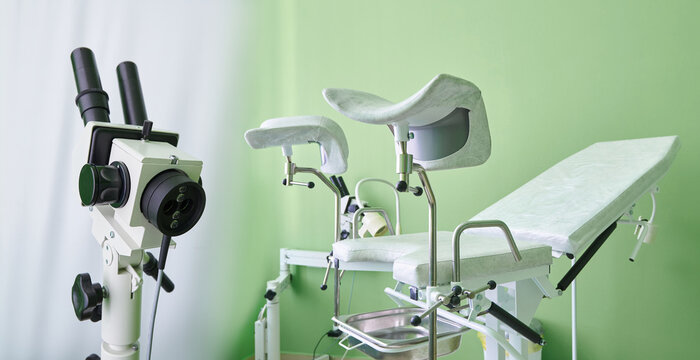
The gynecological examination chair is one of the most fundamental pieces of equipment in any women’s clinic. It is specifically designed to support patients during pelvic examinations, ultrasounds, and minor procedures.
Key Features:
- Adjustable height and reclining positions
- Comfortable cushioning for patient support
- Sturdy frame for stability during procedures
- Easy-to-clean materials for hygiene
A well-designed chair ensures both patient comfort and doctor accessibility, making examinations smoother and more efficient.
2. Ultrasound Machine
Ultrasound machines are essential in modern gynecology for monitoring reproductive health, pregnancy, and pelvic conditions.
They are used for:
- Pregnancy tracking and fetal development
- Detecting ovarian cysts or fibroids
- Evaluating uterine health
- Guiding medical procedures
Modern clinics often prefer digital ultrasound systems with high-resolution imaging and real-time display, allowing for more accurate diagnosis and better patient communication.
3. Colposcope
A colposcope is a specialized instrument used to closely examine the cervix, vagina, and vulva. It plays a key role in early detection of cervical abnormalities.
Uses:
- Cervical cancer screening
- Biopsy guidance
- Examination of abnormal Pap smear results
A high-quality colposcope with magnification and LED lighting improves visibility and diagnostic precision, making it an essential tool in preventive women’s healthcare.

4. Doppler Fetal Monitor
The Doppler fetal monitor is widely used in pregnancy care to track the baby’s heartbeat and assess fetal well-being.
Benefits:
- Non-invasive monitoring
- Early detection of fetal distress
- Regular pregnancy checkups
- Real-time heartbeat tracking
This equipment is especially important in antenatal care, helping doctors ensure safe pregnancy progression.

5. Autoclave Sterilizer
Sterilization is critical in any medical setting, and gynecology clinics are no exception. An autoclave sterilizer ensures all surgical and examination instruments are free from harmful microorganisms.
Importance:
- Prevents infections
- Ensures patient safety
- Maintains hygiene standards
- Required for regulatory compliance
Steam-based autoclaves are commonly used due to their reliability and effectiveness.

6. Suction Machine
A suction machine is used during gynecological procedures to remove fluids, blood, or other materials from the surgical area.
Key Functions:
- Maintains a clear surgical field
- Improves visibility during procedures
- Enhances procedural safety
- Reduces risk of complications
Compact and portable suction units are commonly used in outpatient clinics.

7. Patient Monitoring System
Patient monitors are essential for tracking vital signs during procedures or examinations.
Monitored Parameters:
- Heart rate
- Blood pressure
- Oxygen saturation
- Temperature
These systems ensure patient safety during minor surgical procedures or treatments.
8. Examination Light / LED Surgical Lamp
Proper lighting is crucial in gynecology examinations and procedures. LED surgical lamps provide focused, shadow-free illumination.
Advantages:
- High visibility during procedures
- Adjustable brightness and angle
- Energy-efficient operation
- Long lifespan
Good lighting improves accuracy and reduces procedural errors.
9. Speculums and Disposable Instruments
Speculums are basic yet essential tools used for examining the vaginal canal and cervix.
Modern clinics increasingly prefer:
- Disposable speculums for hygiene
- Stainless steel reusable options for sustainability
Using sterile instruments is critical for infection control and patient safety.
10. Laboratory Testing Equipment
Many gynecology clinics also offer in-house diagnostic services. Basic lab equipment may include:
- Pregnancy test analyzers
- Hormone testing kits
- Microscopes for sample analysis
- Urine analyzers
Having in-house testing facilities improves diagnosis speed and treatment planning.
11. Cryotherapy Equipment
Cryotherapy is used for treating cervical abnormalities and removing abnormal tissue using freezing techniques.
Benefits:
- Minimally invasive treatment
- Quick recovery time
- Effective for early-stage conditions
This equipment supports preventive gynecological care.
12. IVF and Fertility Equipment (Advanced Clinics)
Specialized fertility clinics require advanced equipment such as:
- Incubators for embryo culture
- Micromanipulators
- Fertility monitoring systems
These tools are essential for assisted reproductive technologies.
Factors to Consider When Choosing Equipment
1. Clinic Size and Specialization
A small clinic may only need basic diagnostic tools, while a specialized center requires advanced imaging and surgical equipment.
2. Patient Volume
High patient flow requires durable, fast-operating equipment.
3. Compliance and Certification
All equipment must meet medical safety and regulatory standards.
4. Ease of Use
User-friendly equipment improves workflow efficiency and reduces training time.
5. Maintenance and Support
Reliable after-sales service ensures long-term functionality.
Importance of Hygiene and Sterilization
Gynecology clinics must maintain strict hygiene standards. Proper sterilization equipment and protocols prevent infections and ensure patient safety.
Key practices include:
- Regular instrument sterilization
- Use of disposable tools where possible
- Routine cleaning of examination areas
The Future of Gynecology Equipment
Modern gynecology is becoming increasingly technology-driven.
Emerging trends include:
- AI-assisted ultrasound diagnostics
- Portable monitoring devices
- Digital patient record integration
- Minimally invasive surgical tools
These advancements are making women’s healthcare more accurate, efficient, and patient-friendly.
Final Thoughts
Equipping a modern gynecology clinic requires careful planning and investment in reliable, high-quality tools. From basic examination chairs to advanced ultrasound systems, each piece of equipment plays a vital role in delivering safe and effective women’s healthcare.
The right setup not only improves diagnosis and treatment but also enhances patient comfort and trust. In a growing healthcare market, especially in regions like the UAE, investing in essential gynecology equipment is a step toward building a modern, efficient, and patient-centered clinic.
FAQs
1. What is the most important gynecology equipment for a clinic?
The gynecological examination chair and ultrasound machine are among the most important tools as they support diagnosis, patient examination, and treatment planning in everyday clinical practice.
2. Why is sterilization equipment necessary in gynecology clinics?
Sterilization equipment like autoclaves ensures all instruments are free from bacteria and viruses, reducing infection risks and maintaining high standards of patient safety and hygiene.
3. Do small gynecology clinics need advanced equipment?
Small clinics typically need basic diagnostic and examination tools. Advanced equipment is usually required in specialized or high-volume fertility and maternity centers.
4. How often should gynecology equipment be maintained?
Regular maintenance should be performed based on manufacturer guidelines, often monthly or quarterly, to ensure accuracy, safety, and long-term reliability of medical devices.
5. What is the future of gynecology equipment?
The future includes AI-based diagnostics, portable devices, and digital integration, making women’s healthcare more efficient, accurate, and accessible for both doctors and patients.
