
Dialysis Equipment Supplier Guide in Dubai: What Buyers Should Know
Dubai has established itself as a major healthcare hub in the Middle East, offering advanced medical infrastructure and high-quality treatment services. As kidney disease continues to affect millions of people worldwide, the demand for reliable dialysis treatment has increased significantly. Hospitals, clinics, and specialized dialysis centers require advanced equipment to ensure safe and effective patient care. Choosing the right dialysis equipment supplier is a critical decision for healthcare providers. The quality, reliability, and compliance of the equipment directly affect patient safety and treatment outcomes. This guide explains what buyers should know when selecting a dialysis equipment supplier in Dubai. Understanding the Importance of Reliable Dialysis Equipment Dialysis treatment replaces the essential functions of the kidneys by removing waste products, toxins, and excess fluids from the blood. Because dialysis procedures are performed regularly for many patients, the equipment used must meet strict safety and performance standards. High-quality dialysis equipment helps ensure: Accurate filtration and toxin removal Stable and safe treatment sessions Reduced risk of complications Improved patient comfort For healthcare providers, working with trusted suppliers is essential to maintain consistent treatment quality and operational efficiency. Types of Dialysis Equipment Available in Dubai Before selecting a supplier, buyers should understand the different types of dialysis equipment commonly used in healthcare facilities. Hemodialysis Machines Hemodialysis machines are the most widely used systems in hospitals and dialysis centers. These machines filter the patient’s blood through a dialyzer, removing toxins and excess fluids before returning the cleaned blood to the body. Modern hemodialysis machines include advanced monitoring systems that track blood flow, pressure, and treatment parameters to ensure patient safety. Peritoneal Dialysis Equipment Peritoneal dialysis equipment is designed for patients who perform dialysis at home or in specialized clinics. These systems use dialysis fluid that is introduced into the abdomen to filter waste from the blood. Automated peritoneal dialysis machines allow patients to perform treatment overnight with minimal supervision. Dialyzers and Consumables Dialyzers, often referred to as artificial kidneys, are essential components used in hemodialysis. They contain specialized membranes that filter waste and toxins from the blood. Other dialysis consumables include tubing sets, filters, dialysis fluids, and catheters. Reliable suppliers should offer a full range of these essential products. Water Treatment Systems Dialysis requires extremely pure water because large volumes are used during treatment. Water treatment systems remove contaminants and bacteria to ensure the safety of dialysis procedures. High-quality suppliers typically provide reverse osmosis systems and other advanced water purification solutions. Regulatory Compliance and Certification Healthcare equipment in Dubai must comply with strict regulatory standards. Buyers should ensure that dialysis equipment suppliers provide products that meet both local and international certifications. Important certifications may include: International quality standards such as ISO certification Medical device approvals from recognized regulatory authorities Compliance with UAE healthcare regulations These certifications ensure that the equipment has undergone proper testing and meets safety requirements for medical use. Evaluating Supplier Experience and Reputation Experience and reputation are key factors when choosing a dialysis equipment supplier. Suppliers with a strong track record in the healthcare industry are more likely to provide reliable products and professional support. Buyers should consider: The supplier’s years of experience in medical equipment supply Partnerships with reputable global manufacturers Customer reviews and testimonials Past projects with hospitals or dialysis centers Working with an experienced supplier reduces risks and ensures access to high-quality equipment. Availability of Technical Support and Maintenance Dialysis machines are complex medical devices that require regular maintenance and technical support. Equipment downtime can disrupt patient treatments and affect healthcare operations. A reliable supplier should offer: Installation and setup services Routine maintenance and servicing Quick technical support in case of equipment issues Availability of spare parts and replacements Having access to professional support helps ensure that dialysis systems operate efficiently and safely at all times. Training for Medical Staff Proper training is essential for healthcare professionals who operate dialysis equipment. Even advanced machines require trained staff to manage treatment settings, monitor patients, and respond to potential issues. Many reputable suppliers provide training programs that include: Equipment operation guidance Safety procedures Maintenance and troubleshooting techniques Training ensures that healthcare staff can use dialysis equipment effectively while maintaining high standards of patient care. Product Range and Custom Solutions Healthcare facilities often have different requirements depending on their size, patient capacity, and treatment services. Some hospitals require large numbers of dialysis machines, while smaller clinics may need compact or portable systems. A good dialysis equipment supplier should offer a wide product range and flexible solutions that match the needs of different healthcare providers. These solutions may include: Standard hemodialysis systems Portable dialysis machines Specialized ICU dialysis equipment Customized equipment packages for new dialysis centers Suppliers that provide tailored solutions help healthcare facilities operate more efficiently. Cost Considerations and Long-Term Value Cost is an important factor when purchasing dialysis equipment, but it should not be the only consideration. Lower-priced equipment may lack durability or advanced safety features, which can lead to higher maintenance costs in the long run. Buyers should evaluate: Initial equipment cost Maintenance and servicing expenses Availability of consumables Warranty coverage Investing in high-quality equipment often provides better long-term value by reducing operational disruptions and improving patient outcomes. Importance of Supply Chain Reliability Dialysis treatment requires a continuous supply of consumables such as dialyzers, tubing, and dialysis fluids. Any interruption in the supply chain can affect patient treatment schedules. Healthcare providers should choose suppliers with reliable logistics and inventory management systems. Consistent supply availability ensures that dialysis centers can operate smoothly without shortages or delays. Future Trends in Dialysis Technology The dialysis equipment industry continues to evolve with new innovations aimed at improving treatment efficiency and patient comfort. Healthcare providers in Dubai are increasingly adopting advanced technologies such as: Smart dialysis machines with digital monitoring systems Portable and wearable dialysis devices Improved dialyzer membranes for better toxin removal Automated treatment management systems Working with forward-thinking suppliers helps healthcare facilities stay updated with the latest medical technologies. Conclusion Selecting the right dialysis equipment supplier is a crucial decision for healthcare
Top Dialysis Equipment Options Available in Dubai’s Healthcare Market
Dubai has become one of the leading healthcare hubs in the Middle East, offering advanced medical services and modern treatment technologies. Among these services, dialysis treatment plays a vital role in managing patients with kidney failure and chronic kidney disease. Hospitals, clinics, and specialized dialysis centers across Dubai rely on high-quality dialysis equipment to provide safe and effective treatment. With continuous advancements in medical technology, the healthcare market in Dubai offers a wide range of dialysis machines and related equipment designed to improve patient care, treatment efficiency, and safety. In this article, we explore the top dialysis equipment options available in Dubai’s healthcare market and how they support modern kidney care. Understanding the Importance of Dialysis Equipment Dialysis is a medical treatment used to remove waste, toxins, and excess fluids from the blood when the kidneys are no longer able to perform these functions effectively. Patients with chronic kidney disease (CKD) or kidney failure depend on dialysis to maintain their health and quality of life. Dialysis equipment plays a crucial role in ensuring the treatment is safe, accurate, and comfortable for patients. Modern machines are designed with advanced monitoring systems, automated features, and safety controls that help healthcare providers deliver precise treatments. High-quality dialysis equipment helps improve treatment outcomes, reduce complications, and support healthcare professionals in managing complex medical conditions. Hemodialysis Machines Hemodialysis machines are the most commonly used dialysis equipment in hospitals and dialysis centers. These machines filter a patient’s blood through a dialyzer, often called an artificial kidney, which removes waste products and excess fluids before returning the purified blood to the body. Modern hemodialysis machines available in Dubai offer advanced features such as: Real-time monitoring of blood pressure and fluid levels Automated treatment adjustments User-friendly digital interfaces Enhanced patient safety systems These machines are widely used in hospitals, specialized dialysis clinics, and large healthcare facilities where multiple patients receive treatment daily. Portable Dialysis Machines Portable dialysis machines are becoming increasingly popular in Dubai’s healthcare sector because they provide greater flexibility for both patients and healthcare providers. These machines are smaller and more compact compared to traditional dialysis systems. Portable dialysis equipment allows treatment to be performed in different settings, including smaller clinics and in some cases, patient homes under medical supervision. Benefits of portable dialysis machines include: Compact and lightweight design Improved mobility and flexibility Easier transportation and installation Enhanced convenience for patients These systems are particularly useful for patients who require frequent dialysis and want more flexibility in their treatment schedule. Continuous Renal Replacement Therapy (CRRT) Machines Continuous Renal Replacement Therapy machines are specialized dialysis systems used primarily in intensive care units (ICUs). These machines provide continuous dialysis treatment for critically ill patients whose kidneys are temporarily unable to function properly. Unlike traditional dialysis, which is performed several times per week, CRRT machines operate continuously over extended periods. This gradual treatment process is safer for patients who are unstable or suffering from severe medical conditions. CRRT machines available in Dubai’s hospitals feature advanced monitoring systems that allow healthcare professionals to carefully control fluid removal and blood filtration. Dialyzers (Artificial Kidneys) Dialyzers, commonly known as artificial kidneys, are essential components of dialysis treatment. They act as filters that remove toxins and waste products from the patient’s blood during the dialysis process. Dialyzers are designed with specialized membranes that allow waste substances to pass through while retaining essential blood components. Different types of dialyzers are available depending on patient needs and treatment requirements. Modern dialyzers used in Dubai’s healthcare facilities offer: High filtration efficiency Improved biocompatibility with blood Reduced risk of allergic reactions Enhanced toxin removal Selecting the right dialyzer is important for ensuring effective and safe dialysis treatment. Dialysis Water Treatment Systems Water quality is extremely important in dialysis procedures because large amounts of purified water are used during treatment. Dialysis water treatment systems ensure that the water used in dialysis machines is free from bacteria, chemicals, and harmful contaminants. These systems typically include multiple filtration stages such as: Reverse osmosis (RO) filtration Carbon filters Deionization systems Ultraviolet sterilization Hospitals and dialysis centers in Dubai follow strict water purification standards to maintain patient safety and meet international healthcare regulations. Peritoneal Dialysis Equipment Peritoneal dialysis is an alternative form of dialysis that uses the lining of the patient’s abdomen to filter waste from the blood. This method allows some patients to perform dialysis at home under medical guidance. Peritoneal dialysis equipment includes specialized machines known as automated peritoneal dialysis (APD) cyclers. These machines control the flow of dialysis fluid into and out of the abdomen during treatment. Advantages of peritoneal dialysis equipment include: Greater independence for patients Treatment that can be performed at home Reduced need for frequent hospital visits Improved lifestyle flexibility Many healthcare providers in Dubai support this treatment option for suitable patients. Dialysis Chairs and Patient Comfort Equipment In addition to dialysis machines, patient comfort equipment plays an important role in dialysis treatment. Dialysis sessions can last several hours, so comfortable and adjustable dialysis chairs are essential. Modern dialysis chairs offer features such as: Adjustable reclining positions Ergonomic support Integrated monitoring systems Easy access for healthcare staff Providing a comfortable treatment environment helps improve the patient experience and supports better overall care. Advanced Monitoring and Safety Systems Modern dialysis equipment includes advanced monitoring technologies that improve patient safety during treatment. These systems continuously track important parameters such as blood pressure, blood flow rate, and fluid removal levels. Many machines also include automated alarms that alert healthcare professionals if any irregularities occur during treatment. This allows medical staff to respond quickly and ensure patient safety at all times. Advanced safety features reduce the risk of complications and help maintain high standards of care in dialysis centers. Growing Demand for Dialysis Equipment in Dubai Dubai’s healthcare sector continues to grow rapidly, with increasing investment in medical infrastructure and advanced treatment technologies. As the number of patients with kidney-related diseases rises globally, the demand for reliable dialysis equipment has also increased. Hospitals and medical suppliers in Dubai
How to Choose the Best Medical Equipment Company in Dubai
Dubai’s healthcare sector is rapidly expanding, driven by a growing population, advanced medical technology, and the city’s ambition to become a global hub for healthcare excellence. For hospitals, clinics, diagnostic centers, and specialized medical practices, sourcing high-quality medical equipment is essential to ensure patient safety, operational efficiency, and regulatory compliance. However, with numerous suppliers in the market, selecting the right medical equipment company can be challenging. This guide explores the key factors to consider when choosing the best medical equipment company in Dubai. Understanding Your Needs The first step in selecting a medical equipment supplier is identifying your facility’s specific needs. Consider the type of equipment required—diagnostic tools, surgical instruments, imaging machines, laboratory equipment, or hospital furniture. Assess your budget, space, and the expected frequency of equipment use. For instance, a high-traffic hospital may require durable, high-end machines, while a small clinic might prioritize cost-effective, multifunctional equipment. Understanding these requirements ensures that you approach suppliers with a clear vision and avoid unnecessary purchases. Reputation and Experience In Dubai’s competitive healthcare market, the reputation and experience of a medical equipment company are critical indicators of reliability. Look for suppliers with a proven track record of serving hospitals, clinics, and specialized medical facilities. Companies with years of experience are better equipped to provide quality products, technical support, and advice tailored to your facility. Checking client testimonials, case studies, and references can give insight into the company’s performance, professionalism, and customer satisfaction. Product Quality and Certification Medical equipment directly impacts patient care and safety, so quality should be a top priority. Choose a company that supplies certified and approved equipment from reputable manufacturers. Look for compliance with international standards such as ISO, CE, or FDA approval. Certified equipment ensures reliability, accuracy, and adherence to safety protocols. High-quality products also reduce maintenance issues, prolong service life, and minimize the risk of operational interruptions. Range of Products and Brands A comprehensive supplier offers a wide range of medical equipment, enabling your facility to source multiple items from a single company. This approach simplifies procurement, ensures consistency in quality, and allows for better pricing through bulk purchases. Top medical equipment companies in Dubai often partner with leading global brands, providing access to the latest technology and innovations. A supplier that keeps up with industry trends can help your facility stay competitive and deliver modern, effective patient care. Technical Support and After-Sales Service Medical equipment requires maintenance, calibration, and occasional repairs. Partnering with a supplier that offers strong technical support and after-sales service is essential. Ask about warranty policies, service agreements, and the availability of trained technicians. A reliable company provides prompt assistance, minimizing downtime and ensuring continuous operation, which is especially crucial in hospitals and emergency care facilities. Delivery and Installation Services Timely delivery and professional installation are vital when procuring medical equipment. Ensure the company can deliver equipment safely, handle installation, and provide initial training for your staff. Proper installation reduces the risk of damage, ensures optimal performance, and helps your team operate the equipment efficiently from day one. Cost and Financing Options While quality should never be compromised, cost considerations are important, especially for small and medium-sized facilities. Compare quotes from multiple suppliers, considering both the initial purchase price and long-term maintenance costs. Many medical equipment companies in Dubai also offer flexible financing or leasing options, which can make high-quality equipment more accessible without straining your budget. Evaluate these options carefully to ensure they align with your facility’s financial planning. Reliability and Timeliness In the healthcare industry, reliability and timeliness are non-negotiable. A supplier that consistently delivers equipment on schedule, maintains inventory, and responds quickly to inquiries is invaluable. Delays in equipment delivery can disrupt operations, affect patient care, and impact staff productivity. Choose a company that demonstrates organizational efficiency, professionalism, and a commitment to meeting deadlines. Training and User Support Modern medical equipment can be complex, and proper training is essential for safe and effective usage. The best suppliers provide training sessions, user manuals, and ongoing support to ensure that your staff can operate equipment confidently. Training programs reduce human errors, improve workflow, and maximize the value of your investment. Additionally, suppliers that offer regular updates and refresher courses help your team stay current with technological advancements. Reputation in Regulatory Compliance Dubai’s healthcare sector is tightly regulated to ensure patient safety. Medical equipment suppliers must comply with local regulations, including approvals from the Dubai Health Authority (DHA) and other relevant bodies. Working with a supplier experienced in regulatory compliance reduces the risk of legal complications, ensures smooth audits, and guarantees that your facility meets the highest operational standards. Conclusion Choosing the right medical equipment company in Dubai is a strategic decision that affects patient care, operational efficiency, and overall facility reputation. By considering factors such as reputation, experience, product quality, technical support, regulatory compliance, and cost-effectiveness, healthcare providers can make informed choices that meet their long-term needs. Partnering with a reliable and professional supplier ensures access to advanced medical technology, expert guidance, and comprehensive after-sales support. Facilities that prioritize these factors can improve operational workflows, enhance patient outcomes, and maintain a competitive edge in Dubai’s growing healthcare industry. For medical equipment procurement that combines quality, reliability, and expert support, working with trusted suppliers ensures your facility operates at the highest standards and is equipped for the challenges of modern healthcare.
Medical Equipment Supplier in Dubai: All You Need to Know
Dubai has rapidly transformed into one of the most advanced healthcare hubs in the Middle East. With world-class hospitals, specialized clinics, and a growing focus on medical tourism, the demand for high-quality medical equipment continues to rise. A reliable medical equipment supplier in Dubai plays a crucial role in supporting healthcare providers with advanced technologies, consistent product availability, and regulatory compliance. From small clinics to large tertiary hospitals, healthcare institutions depend on trusted suppliers to maintain operational efficiency and deliver superior patient care. The Growing Healthcare Landscape in Dubai The healthcare sector in Dubai has witnessed significant expansion over the past decade. Government initiatives, private investments, and strategic health reforms have contributed to the development of state-of-the-art facilities across the emirate. Regulatory authorities such as the Dubai Health Authority ensure that all medical devices and equipment meet strict safety and quality standards before entering the market. Dubai’s strategic location also positions it as a gateway between Europe, Asia, and Africa, making it an ideal distribution hub for medical technologies. Suppliers operating in Dubai are not only serving local healthcare providers but also catering to regional markets. This has encouraged suppliers to maintain international certifications and partnerships with leading global manufacturers. The Role of a Medical Equipment Supplier A medical equipment supplier in Dubai does far more than simply distribute products. They act as partners in healthcare delivery. Their responsibilities include sourcing high-quality devices, ensuring proper storage and transportation, providing installation services, and offering after-sales maintenance and technical support. Hospitals and clinics rely on suppliers for essential equipment such as patient monitors, diagnostic imaging systems, surgical instruments, sterilization units, and laboratory devices. Suppliers must maintain a comprehensive inventory to meet urgent requirements and emergency situations. In critical care environments, timely delivery of equipment can directly impact patient outcomes. Moreover, suppliers assist healthcare facilities in selecting the right equipment based on their specific needs, budgets, and space constraints. Their technical expertise helps medical professionals make informed purchasing decisions while complying with local regulations. Types of Medical Equipment Supplied Medical equipment suppliers in Dubai provide a wide range of products to cater to various specialties and healthcare settings. Diagnostic equipment such as ultrasound machines, ECG monitors, and imaging systems are essential for accurate patient assessment. Surgical instruments and operating room equipment ensure precision during procedures. Intensive care units require advanced ventilators, infusion pumps, and monitoring systems to support critically ill patients. In addition to hospital-grade equipment, suppliers also offer rehabilitation devices, physiotherapy tools, dental equipment, and home healthcare products. The growing trend of home-based care has increased the demand for portable oxygen concentrators, mobility aids, and remote monitoring systems. The diversity of equipment reflects the evolving healthcare landscape in Dubai, where innovation and patient-centered care remain top priorities. Quality Standards and Regulatory Compliance One of the most important aspects of being a medical equipment supplier in Dubai is adherence to strict quality and regulatory standards. All medical devices must comply with UAE regulations and international quality certifications such as ISO and CE markings. The approval process ensures that equipment is safe, effective, and suitable for clinical use. Suppliers must provide proper documentation, product testing results, and registration details before distributing devices in the market. This rigorous system protects patients and healthcare providers while maintaining Dubai’s reputation for excellence in healthcare services. In addition to regulatory compliance, suppliers often provide training to medical staff on the safe and effective use of equipment. This minimizes operational risks and enhances overall performance within healthcare facilities. Technological Advancements in Medical Equipment Dubai’s healthcare sector is known for embracing innovation. Medical equipment suppliers play a key role in introducing cutting-edge technologies to hospitals and clinics. From AI-powered diagnostic tools to minimally invasive surgical systems, advanced technologies are reshaping patient care. Telemedicine solutions, remote patient monitoring systems, and smart hospital equipment are becoming increasingly popular. These innovations not only improve efficiency but also enhance patient safety and satisfaction. Suppliers who stay updated with global trends and technological advancements remain competitive in the dynamic Dubai market. By partnering with international manufacturers and investing in research-driven products, suppliers contribute to the continuous modernization of healthcare services in the region. Importance of After-Sales Support and Maintenance Supplying equipment is only part of the responsibility. Reliable after-sales support and maintenance services are equally essential. Medical equipment must function flawlessly to ensure accurate diagnoses and safe procedures. Regular servicing, calibration, and preventive maintenance help extend the lifespan of devices and reduce unexpected breakdowns. A dependable medical equipment supplier in Dubai offers technical assistance, spare parts availability, and rapid response support. In emergency medical settings, downtime can lead to serious consequences. Therefore, prompt technical support is a key differentiator when healthcare providers choose a supplier. Long-term partnerships between suppliers and healthcare institutions are built on trust, transparency, and consistent service quality. Supporting Medical Tourism and Specialized Care Dubai has become a prominent destination for medical tourism, attracting patients from across the globe. High-quality infrastructure and advanced medical equipment contribute significantly to this reputation. Suppliers ensure that hospitals are equipped with the latest technologies to handle complex procedures in cardiology, orthopedics, oncology, and cosmetic surgery. The presence of internationally accredited healthcare facilities further increases the demand for premium medical devices. Suppliers must meet global benchmarks to support institutions aiming for excellence in patient care and clinical outcomes. By providing reliable access to advanced equipment, suppliers help position Dubai as a leading healthcare destination in the Middle East. Choosing the Right Medical Equipment Supplier Selecting the right supplier is a strategic decision for any healthcare facility. Factors such as product quality, pricing transparency, regulatory compliance, technical expertise, and after-sales support should be carefully evaluated. A reputable supplier understands the unique challenges of the healthcare environment and offers customized solutions accordingly. Experience in the local market, strong relationships with manufacturers, and a commitment to customer satisfaction are essential qualities. Healthcare providers should seek partners who prioritize safety, efficiency, and innovation. A trusted medical equipment supplier in Dubai ensures seamless operations, enhances patient care, and supports the long-term
Medical Instruments in Dubai: A Guide to Quality and Innovation
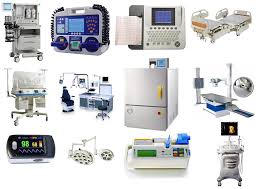
Dubai has rapidly emerged as a hub for healthcare, medical research, and advanced clinical facilities. With hospitals, clinics, and specialized medical centers growing across the city, the demand for medical instruments in Dubai has surged. From diagnostic tools to surgical equipment, medical instruments play a critical role in delivering accurate healthcare and improving patient outcomes. Whether you are a healthcare professional, clinic owner, or medical student, understanding the types of instruments available in Dubai, their applications, and procurement options is essential for ensuring quality and reliability. Types of Medical Instruments Available in Dubai Medical instruments are broadly categorized based on their function and usage. Dubai’s market offers a comprehensive range, including: 1. Diagnostic Instruments Diagnostic instruments are essential for identifying health conditions accurately. Common examples include: Stethoscopes: For listening to heart, lung, and bowel sounds. Sphygmomanometers: Blood pressure monitoring devices. Otoscope and Ophthalmoscope: For ear and eye examinations. ECG and Ultrasound Machines: For advanced diagnostic imaging. 2. Surgical Instruments Surgical instruments are designed for precision during medical procedures. They include: Scalpels, Forceps, and Scissors: Basic instruments for surgery. Retractors and Clamps: Used for exposing or holding tissues. Laparoscopic Instruments: For minimally invasive procedures. Sterilization Equipment: Ensures instruments are safe for reuse. 3. Laboratory Instruments Laboratory instruments are critical for testing, research, and analysis: Microscopes: For cellular and microbial studies. Centrifuges: For separating blood or other samples. Autoclaves: For sterilizing lab equipment. Spectrophotometers: For analyzing chemical substances. 4. Patient Care Equipment Patient care instruments ensure comfort, monitoring, and therapeutic support: Thermometers and Pulse Oximeters: For routine monitoring. Infusion Pumps and Nebulizers: For delivering medications. Wheelchairs and Examination Tables: For patient mobility and care. Why Dubai is a Hub for Medical Instruments Dubai’s medical market is attractive for both local and international suppliers due to several factors: Healthcare Growth: The UAE has invested heavily in hospitals, clinics, and wellness centers, driving demand for advanced medical instruments. Quality Standards: Dubai enforces strict regulations and certifications for medical equipment, ensuring safety and reliability. Accessibility: Dubai offers a wide range of medical instrument suppliers, distributors, and showrooms for easy procurement. Innovation: International brands and state-of-the-art instruments are widely available, keeping pace with global healthcare trends. Factors to Consider When Purchasing Medical Instruments in Dubai When procuring medical instruments, quality, compliance, and cost-effectiveness are key considerations: 1. Regulatory Compliance Ensure instruments are certified by the Dubai Health Authority (DHA) or relevant authorities. Compliance guarantees that equipment meets safety standards. 2. Material and Durability High-quality materials, such as stainless steel for surgical tools or medical-grade plastics for patient care instruments, ensure longevity and safety. 3. Brand Reputation Choosing reliable brands helps reduce risks associated with faulty instruments and ensures after-sales service. 4. Maintenance and Warranty Check for maintenance requirements and warranties. Some instruments may require regular calibration or servicing. 5. Budget Considerations While premium instruments offer high precision, there are cost-effective options for smaller clinics and startups without compromising essential functionality. Top Places to Source Medical Instruments in Dubai Dubai offers several options for sourcing medical instruments: Medical Supply Companies: Specialized suppliers with a wide range of products. Hospital Equipment Distributors: Provide bulk purchases for clinics and hospitals. Online Marketplaces: Platforms that offer international brands with delivery options. Exhibitions and Trade Shows: Events like Arab Health showcase the latest instruments and technologies. By exploring these options, buyers can find the instruments that best meet their clinical needs and budget. The Future of Medical Instruments in Dubai With Dubai’s focus on healthcare innovation and smart technologies, medical instruments are evolving rapidly: Digital Integration: Smart diagnostic and monitoring devices that sync with electronic health records. Portable Devices: Compact instruments for telemedicine and remote healthcare. AI-Assisted Tools: Instruments that incorporate artificial intelligence for diagnostics and surgical precision. Sustainable Solutions: Eco-friendly and energy-efficient instruments becoming more prevalent. These advancements ensure that Dubai continues to offer world-class healthcare and medical services. Conclusion The market for medical instruments in Dubai is vast, diverse, and constantly evolving. From diagnostic tools to surgical and patient care equipment, these instruments are crucial for delivering high-quality healthcare. By choosing reliable suppliers, prioritizing quality and compliance, and staying updated on innovations, healthcare providers in Dubai like Medigate can ensure safe and effective patient care. Whether you are setting up a clinic, upgrading a hospital, or purchasing instruments for personal use in a professional setting, Dubai offers a wealth of options to meet every need.
How to Choose the Right Supplier of Medical Instruments in Dubai
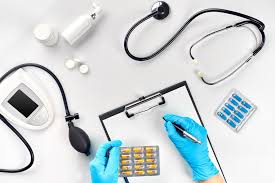
When choosing a supplier of medical instruments in Dubai, it’s helpful to begin with the big picture: the market is both sizeable and dynamic. For example, the UAE’s medical device contract-manufacturing market alone generated about US $387.6 million in 2024 and is expected to grow at a compound annual growth rate (CAGR) of 10.1% from 2025 to 2030. This rapid growth underscores the importance of selecting the right partner—one that can meet quality, regulatory and operational demands in a competitive, fast-moving environment. Here are five key questions you should ask potential suppliers to help you make the right decision. Instruments certified and compliant with UAE regulatory standards One of the first and most critical questions is whether the supplier’s offerings comply with the regulations and quality standards applicable in the UAE. You’ll want to ask: Are the instruments registered with the Ministry of Health and Prevention (MoHAP) and/or the Dubai Health Authority (DHA)? Do they carry internationally respected certifications, such as ISO 13485 (for medical device quality management), CE marking or FDA approval? Can the supplier provide documentation such as Declaration of Conformity, test reports, calibration certificates, batch traceability and post-market surveillance? In Dubai and the wider UAE, the regulatory framework demands robust compliance, and failing to verify this can expose you to legal risk, delays, or worse, use of unsafe instruments. Ensuring compliance upfront helps guarantee that the instruments you procure are safe, reliable and fit for use in the local healthcare environment. Supplier’s quality control, manufacturing and sourcing track-record Quality isn’t simply a matter of certificates—it’s about process, traceability, ongoing performance and responsiveness. When vetting a supplier, you should ask: Does the supplier manufacture in-house, or are they a distributor for other brands? The distinction matters because a manufacturer typically offers better control and potentially lower cost, whereas a distributor may offer greater brand variety and flexibility. Can they demonstrate audits of manufacturing sites (either their own or of their brand partners), or provide solid third-party testing reports (for example, for biocompatibility, sterility, electrical safety if applicable)? What are their long-term track record and stability in the UAE market (e.g., how many years they’ve operated, how many clients they serve, references)? A supplier with established history will often provide better reliability. How transparent is their supply chain? Can they trace back instrument origin, parts and sub-components? Can they manage issues such as recalls, replacements, service or warranty? A supplier with strong quality systems and visible traceability can provide peace of mind—particularly when patient safety and regulatory compliance are at stake. After-sales support, service and logistics Having high-quality instruments is only half the story; the other half is how well the supplier supports their product in use. Key questions include: What warranty or post-installation service do they offer? If the instrument fails or needs calibration, how will that be handled? What is the turnaround time for repairs or replacements? For critical medical instruments any downtime is costly. Do they have local stock or warehousing in Dubai or UAE to minimise lead times? Dubai’s infrastructure and free-zone environment offer strong logistics advantages—so a supplier leveraging these will offer faster response. How do they handle shipping, customs clearance, import duties (if any), local registration and installation? Even though free zones ease many procedures, you still need a supplier familiar with the UAE environment. Are spare parts readily available? Especially for instruments with moving parts or electronics, access to spares is crucial for long-term reliability. By checking the supplier’s full support capability, you reduce the risk of delays, downtime, or unexpected costs in the lifecycle of the instrument. Flexibility and Scalability Every healthcare facility—whether hospital, clinic or diagnostics lab—has different requirements. When choosing a supplier, ask: Can the supplier provide instruments that meet your specific use-case (e.g., surgical instruments, diagnosis tools, monitoring devices) rather than a generic catalogue? If your needs scale (more units, additional types, customization, branding), can the supplier support that growth? A supplier who serves only small volumes may struggle when you expand. What are the minimum order quantities (MOQ), lead times, ability to customize (e.g., logo, packaging, language instructions), or provide accessories bundled? Evidence from Dubai-based sourcing platforms indicates many medical-equipment suppliers offer MOQs as low as a few units when the supplier is verified. Can they provide training, user manuals, or on-site setup if needed? Especially when introducing new types of instruments, having the supplier provide orientation or training can ease implementation. Are they open to long-term contract terms or service agreements, rather than one-off purchases? For continuity and cost optimisation this may matter. Choosing a supplier who can grow and adapt with your facility will reduce future friction and help ensure long-term value. Total costs, transparency and risk mitigation measures Finally, while price is important, it should not override risk, quality, or support considerations. The questions here include: What is the full cost of ownership, not just the purchase price? Consider installation, training, maintenance, spare parts, consumables, calibration, downtime cost. Are all fees transparent (shipping, customs, import duties, free-zone fees, registration costs, local certification) and laid out in the contract? The UAE environment is relatively import-friendly, but you should still confirm. What are the payment terms? For example, deposits, payment milestones, escrow, performance guarantees. What happens if the supplier fails to deliver, or if there are defects discovered later? Are there warranties, penalty clauses, product recall procedures? Are the contractual terms (liability, insurance, product recall, regulatory changes) clearly defined? Given the rapid growth of the market (for example, a CAGR of ~10% in device contract manufacturing) the supplier should have experience dealing with change and regulatory shifts. Is the supplier insured, financially stable, and able to provide references or case studies? By digging into total cost and risk, you avoid surprises and ensure you are partnering with a supplier who is financially and operationally reliable. Final thoughts Selecting the right supplier of medical instruments in Dubai is a strategic decision—one that impacts quality of care, regulatory compliance, cost-effectiveness and operational resilience. The UAE’s medical-device-and-consumables procurement
